


Peru
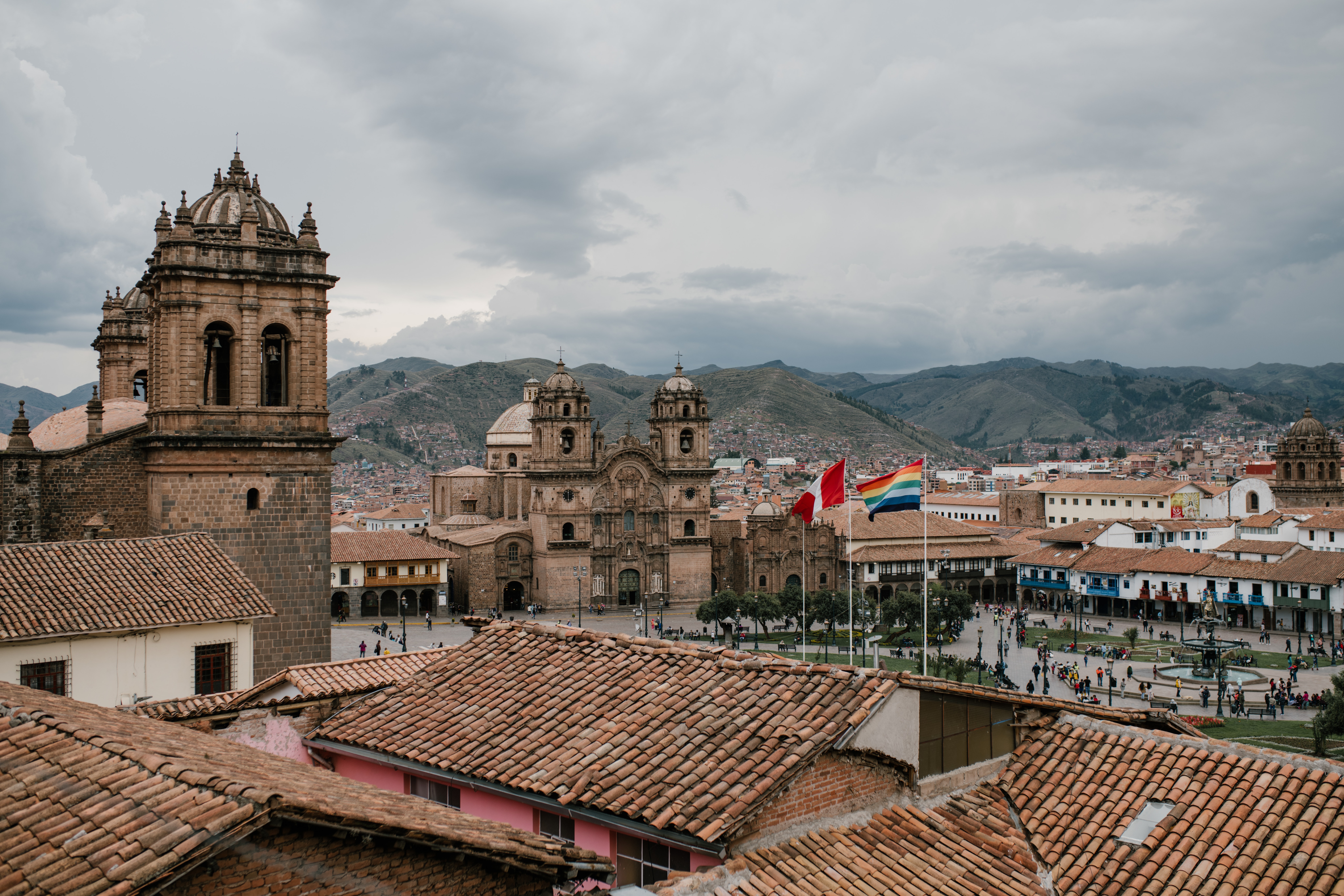
Peru performs in the mid-range across all categories of the Global State of Democracy framework. It is among the top 25 per cent of countries globally in Inclusive Suffrage, Freedom of Religion, Civic Engagement and Electoral Participation. Compared to 2019, Peru has significantly declined in ten factors across the Representation, Rights and Rule of Law categories. Peru is an upper-middle income country that is heavily reliant on commodity exports such as copper and gold.
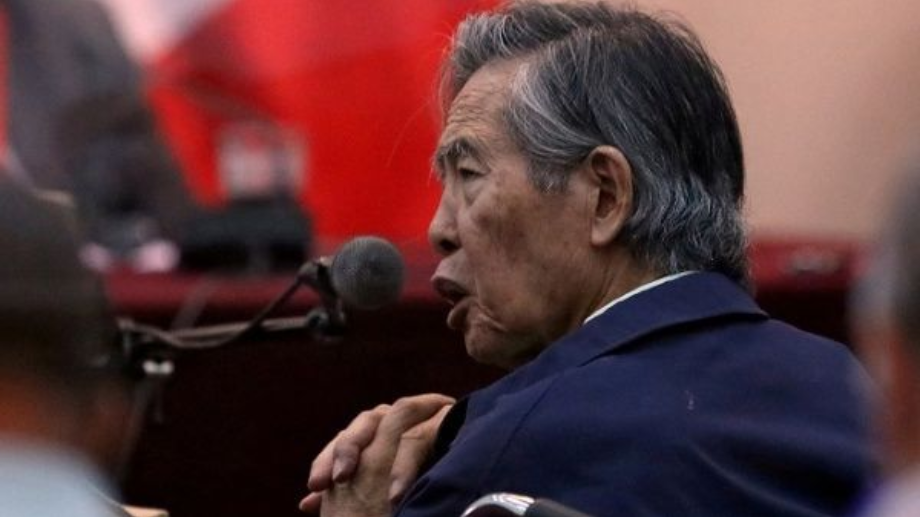
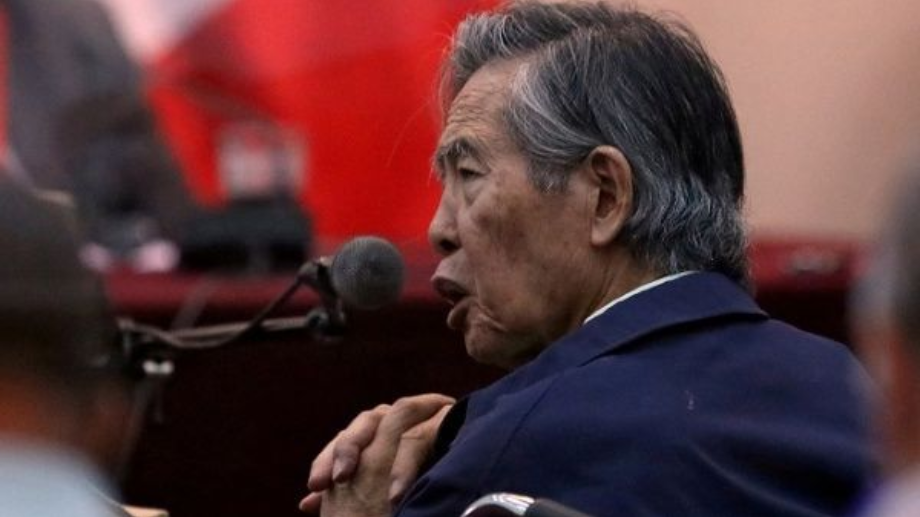
Peru gained independence from Spain in the early 1900s, but instability and military rule characterized its early political landscape. From 1968 to 1980, a military junta emphasized labor and agrarian reform, but high poverty rates and inequality in land ownership prevailed. In response to the rise of the Maoist group Sendero Luminoso – which demanded radical land redistribution – the 1990s were marked by the brutal ‘People’s War’ between Sendero Luminoso (and to a lesser extent the Marxist-Leninist armed group Tupac Amaru Revolutionary Movement) and government forces, resulting in an estimated 70,000 deaths. A truth commission that investigated human rights violations during the conflict eventually tried and convicted then-president Alberto Fujimori for some of these violations (though controversially pardoned in 2023 on ‘humanitarian grounds’). The country returned to democracy in 2001, but the legacy of the armed conflict continues to shape politics. Continued socioeconomic and racial inequality, the urban-rural divide, and opposition to and support for Fujimorismo(a political and ideological movement backing former president Fujimori’s legacy, economic and policy priorities, as well as his political successors), drive political polarization.
A fragmented political party system and the repeated use of impeachment, moral incapacity claims and dissolution of Congress have contributed to persistent inter-branch conflict and imbalance, hindering government functionality (since 2011, Peru has had seven presidents). In recent years, already-low levels of trust in institutions have further declined due to rising insecurity, an increased homicide rate, related unrest over extortion and other gang-related crimes, and corruption. Additional contentious issues include restrictions on civil society, violence against journalists, and polarization over the quest for accountability for human rights violations during the armed conflict.
Indigenous Peoples comprise 45 per cent of the country’s population. Despite constitutional and legal protections, they face political disempowerment, exclusion from social services, land encroachment and, along with other minorities such as Afro-Peruvians, disproportionate levels of poverty and racial bias. Relatedly, environmental activists and Indigenous leaders are frequently subject to intimidation, harassment, and stigmatization.
Peru’s legal framework recognizes equality before the law and prohibits sex-based discrimination. The country has made strides toward gender-parity in politics since the 2020 adoption of a law requiring equal representation. However, widespread gender-based violence remains a serious problem and women and girls face pervasive de facto discrimination, especially those from Indigenous communities. In the 1990s, Indigenous women were victims of a government campaign of forced sterilization, with efforts towards obtaining reparations ongoing. LGBTQIA+ people also face discrimination and violence, with recently adopted legislation undermining trans-rights.
Looking ahead, how the government copes with insecurity and popular demands to address it will be key, both to Personal Integrity and Security, and Representation-related factors, as surveys reveal that discontent is closely related to performance in this area. The role of civil society in demanding accountability for historic and current human rights violations will be crucial in a context in which restrictions have narrowed civic space.
Last Updated: July 2025
https://www.idea.int.developmentzone.co/democracytracker/
October 2025
President Boluarte is removed from office by Congress
On 10 October, Congress removed Dina Boluarte from the office of President, on the grounds of ‘permanent moral incapacity’ pursuant to Article 113 of the Constitution. Boluarte’s approval ratings were significantly low throughout her presidency, hovering around 3 per cent more recently. Boluarte, who replaced former president Pedro Castillo after he was ousted for attempting to dissolve congress in December 2022, faced demands by protesters that she resign and call for early general elections since the beginning of her administration. More recent anti-government protests pointed to her administration’s inability to curb the insecurity crisis, including extortions and high murder rates. Corruption scandals and inquiries into protesters’ deaths between December 2022 and early 2023 further marred Boluarte’s presidency. José Jerí, president of the legislature, was sworn in by Congress as Boluarte’s interim successor, until new elections are held in April 2026 and the next president takes office in June that year.
Sources: El Peruano, El Comercio, La República, AP, NY Times, BBC, International IDEA, International IDEA, International IDEA




October 2025
President Jeri decrees state of emergency as protesters demand his resignation
Large anti-government protests took place on 15 and 25 October, with protesters demanding the resignation of newly elected President José Jeri and members of Congress. Thousands of people, mostly in Lima but also in other regions, demonstrated against government inaction on corruption, abuse of authority, and persistent violent crime. During the 15 October mobilizations, a protester was reportedly killed by a member of the security forces, and inquiries into the death are underway. Jeri, who has signalled that he will take a hardline approach to curbing insecurity, decreed a state of emergency on 22 October, allowing the government to suspend certain rights, including freedom of movement and assembly, in Lima and Callao for 30 days.


September 2025
Prosecutor requests cancellation of Fuerza Popular party’s registration

Peru’s top prosecutor, Delia Espinoza, asked the Supreme Court to declare the Fuerza Popular (FP) party illegal. Espinoza asked that the party be excluded from next year’s general elections and its registration be cancelled. The request argued that the party, a legacy of Fujimorismo (the political movement of former president Alberto Fujimori) participated in anti-democratic acts, which is prohibited in the Political Organizations Law. It elaborated that the party legitimized the used of violence to intimidate public servants, civil society and journalists. FP is the party with the greatest number of representatives in Congress. Its leader, Keiko Fujimori, rejected the accusations as politically motivated, questioning the prosecutor’s impartiality (the prosecutor’s office has constitutional autonomy). The Constitutional Chamber will decide on the issue of the party’s registration.
Sources: El Comercio, La Republica (1), Infobae (1), La Republica (2), Infobae
Youth groups convene protests against government and pension reform
In September, youth groups mobilized protests against the government and a recent reform to the pension system. The latter introduced changes requiring self-employed workers to contribute to private pension administrators—the private financial entities that manage the funds—and restricts, for those under 40, access to one of the current options, which is that a worker can choose to receive 95 per cent of their accumulated funds upon retirement instead of receiving a monthly pension. Though Congress had walked back the changes after public outrage, the demonstrations continued, with young people—also known as ‘Gen Z’—expressing frustration with decision-making affecting their future. More broadly, demonstrators demanded the government take action to curb insecurity and end corruption. Public transit operators and bus drivers, who have been raising alarms for over a year about the increasing extortion and violence they face, joined the protests. Clashes between demonstrators and police resulted in at least 18 injured, mostly protesters, and further reports of injuries among journalists and police officers.

August 2025
Amnesty bill benefiting accused human rights violators is promulgated
On 13 August, a law entered into force through which amnesty will be granted to members of the security agencies on trial for human rights violations committed in the context of the internal armed conflict (1980-2000). The amnesty applies to members of the armed forces, national police, self-defense committees and to public officials under investigation without a final conviction. It also applies to those convicted over the age of 70 years on ‘humanitarian’ grounds. CSOs estimate that up to 600 people on trial and over a hundred who have been sentenced could benefit from the amnesty. Proponents of the bill have argued that those who defended the country from terrorism should not be subjected to decades-long investigation and trials. Human rights experts have condemned the bill, as amnesty for gross human rights violations is contrary to international law and standards and denies victims and their families access to justice and truth.
Sources: Diario El Peruano, OHCHR (1), OHCHR (2), El Comercio, CEJIL, El Pais, BBC
Constitutional Tribunal ruling temporarily suspends inquiries into President Boluarte
On 19 August, the Constitutional Tribunal ruled that investigations into President Dina Boluarte should be suspended until the end of her tenure in 2026. The Tribunal reasoned that inquiries into cases not considered in Article 117 of the Constitution, which establishes the cases in which members of the executive can be accused during their tenure (such as treason, preventing elections, or dissolving Congress) should be limited to taking a statement, information requests and presentation of supporting documentation. The Tribunal, however, reiterated that the process can continue after the end of her tenure. Critics argue that the ruling undermines accountability and anti-corruption efforts.
Sources: La Republica, El Comercio, Infobae, El Pais

See all event reports for this country
Global ranking per category of democratic performance in 2024

Basic Information

Human Rights Treaties
 State party
 Signatory
 No action
Performance by category over the last 6 months
Representation
Rights
Rule of law
 Participation
Global State of Democracy Indices
Hover over the trend lines to see the exact data points across the years


Factors of Democratic Performance Over Time
Use the slider below to see how democratic performance has changed over time